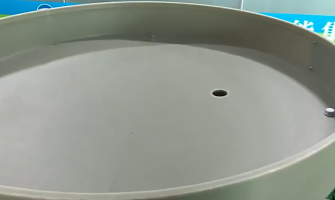
Rainwater First Flush Filter for Rainwater Harvesting Systems
The rainwater first flush filter automatically diverts contaminated initial rainfall and pre-filters cleaner rainwater for storage, improving overall water quality.
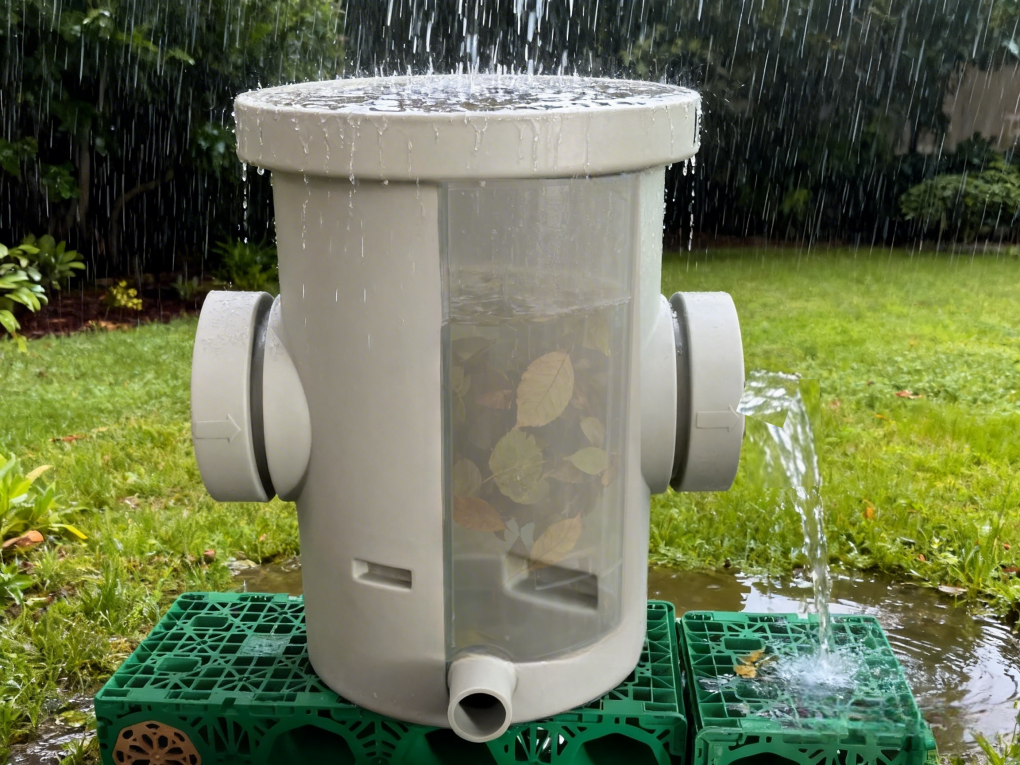
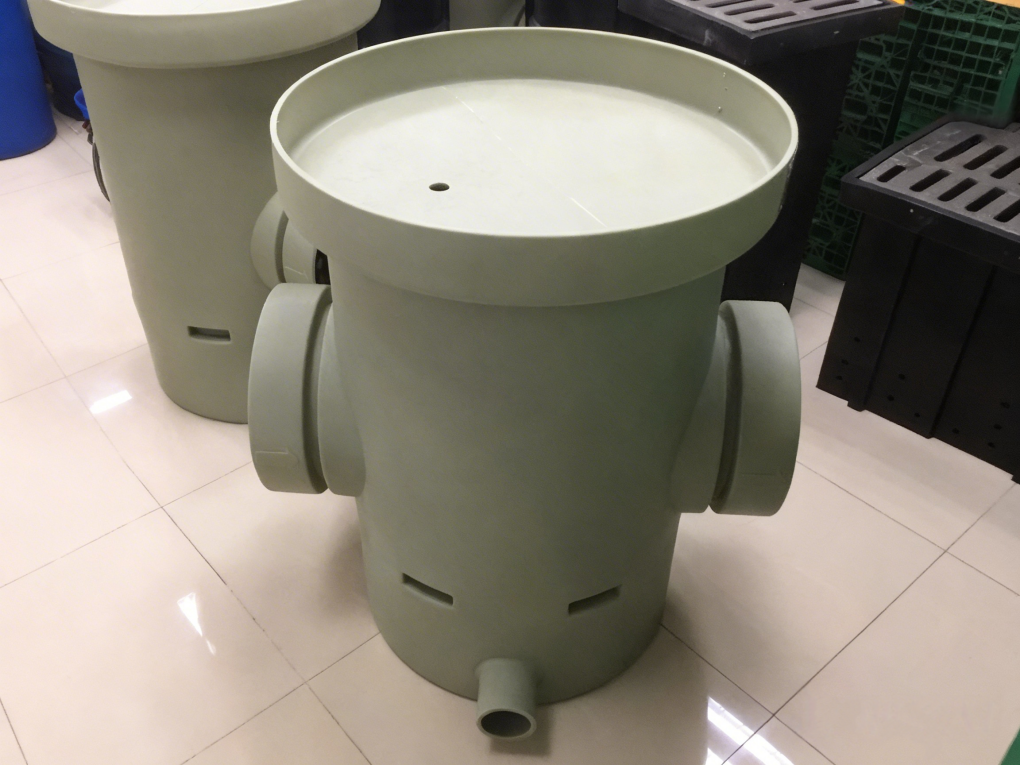
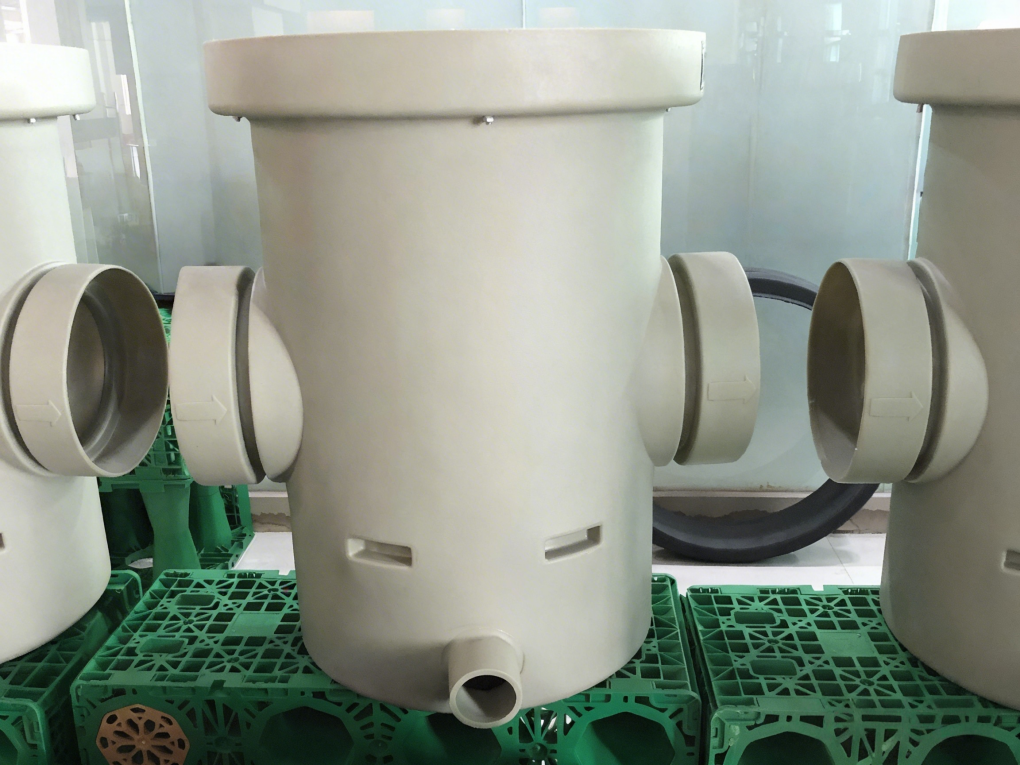
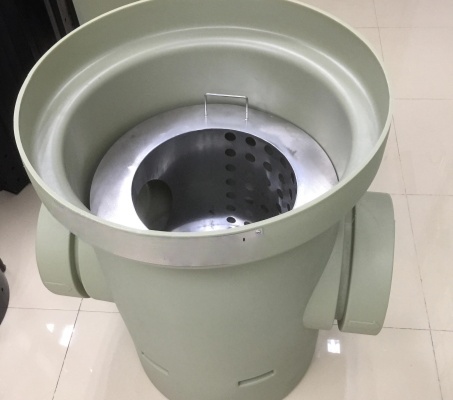
This first flush filter is designed for rainwater harvesting systems to automatically discharge highly contaminated runoff generated at the beginning of rainfall. As rainfall intensity increases, a built-in floating ball closes the discharge outlet, allowing cleaner rainwater to pass through the filtration section and flow into the storage tank. After rainfall stops, the device resets automatically and releases accumulated sediments, integrating first flush diversion, filtration, and automatic drainage into one compact unit to improve system reliability and water quality.
Working Principle
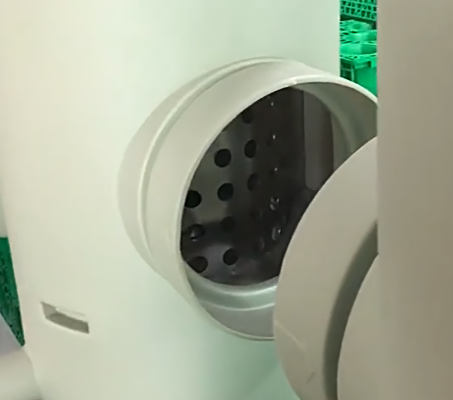
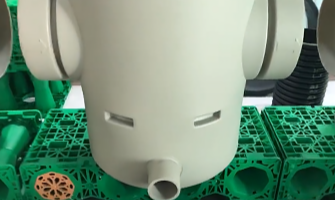
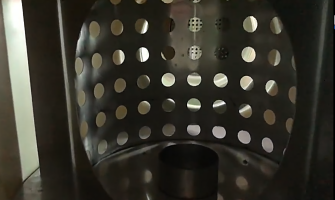
During the initial stage of rainfall, dust, debris, and pollutants accumulated on roofs and pipelines are washed into the system, resulting in highly contaminated first runoff. This device operates based on gravity and water pressure differences, allowing the initial polluted rainwater to be discharged through the bottom outlet first. As rainfall intensity increases, the rising water flow pushes the internal floating ball upward to seal the discharge channel, enabling cleaner rainwater to pass through the horizontal filter and enter the storage system. After rainfall stops, the internal water level drops and the floating ball automatically resets under spring force, while filtered impurities are discharged, completing an automatic cycle of first flush diversion, filtration, and drainage.
Product Details
Application
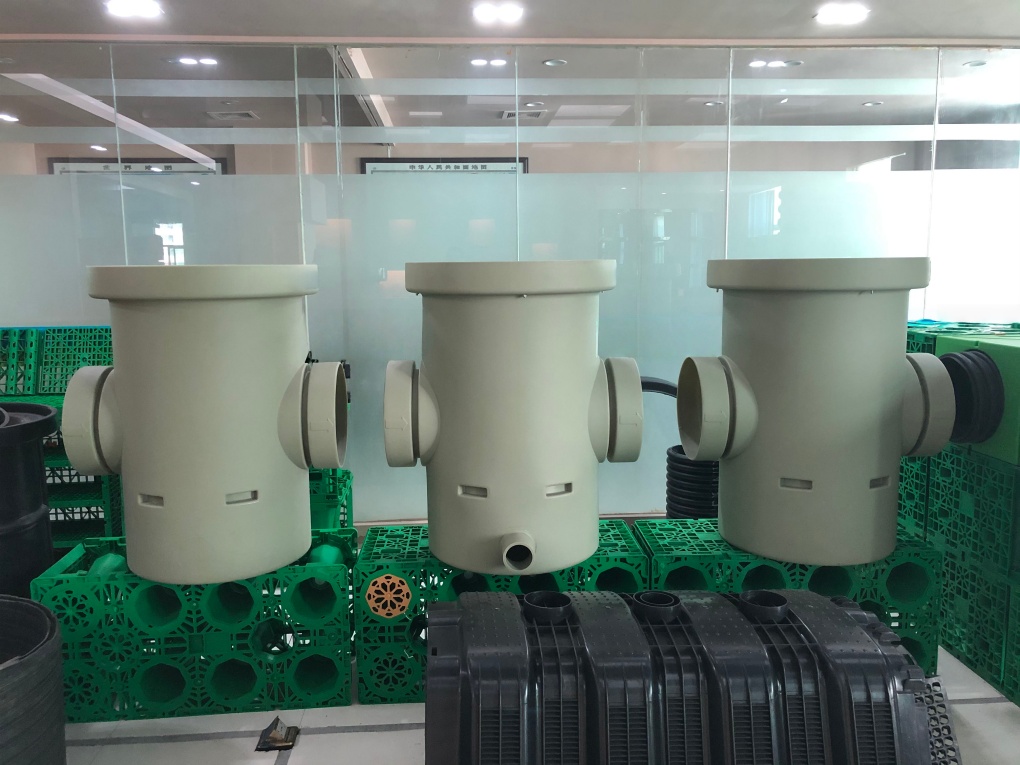
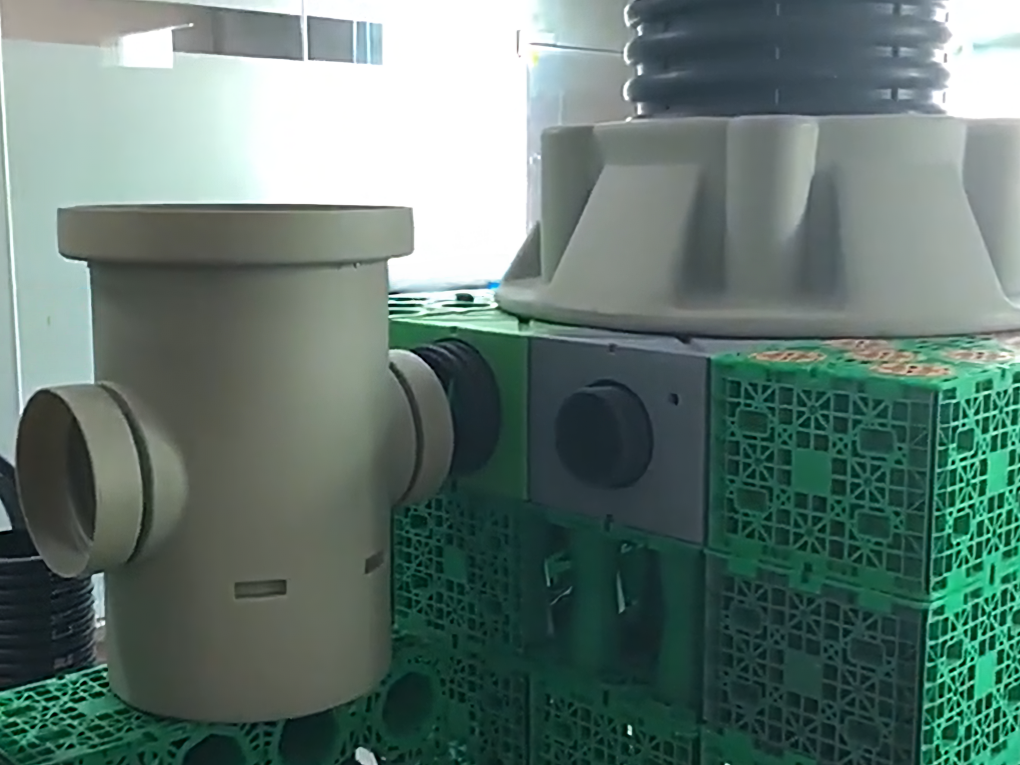
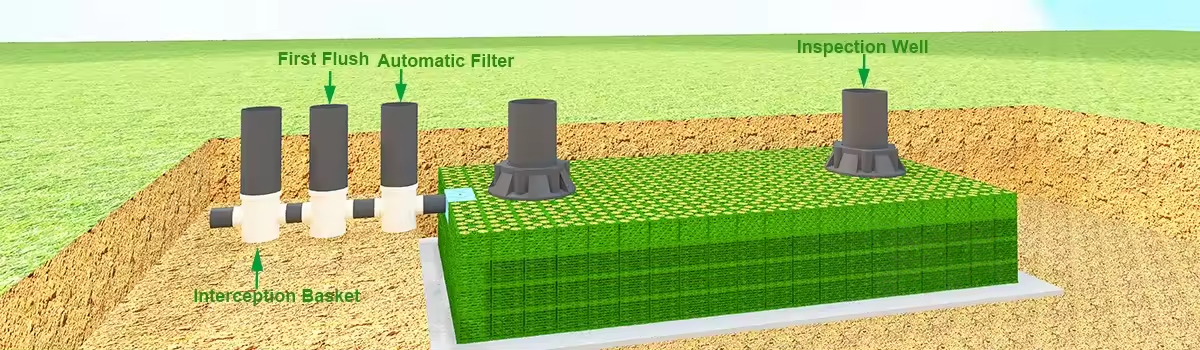
This product is suitable for roof, underground, and roadway rainwater harvesting systems, and is typically installed after interception baskets, sand traps, or sediment pits as a first flush treatment unit. It is widely used in residential buildings, public facilities, industrial parks, and municipal rainwater reuse projects, effectively reducing pollutants entering storage tanks and improving both water reuse safety and system service life.