<
>



The Electrochemical Cathodic Protection System is an active corrosion protection solution designed for steel structures and metal foundations. It operates by continuously delivering low-voltage protective current through an intelligent control unit, forming a stable electrochemical protection circuit with buried anodes and anode patches. This ensures that metal structures remain in a cathodic state, effectively preventing corrosion and extending service life.
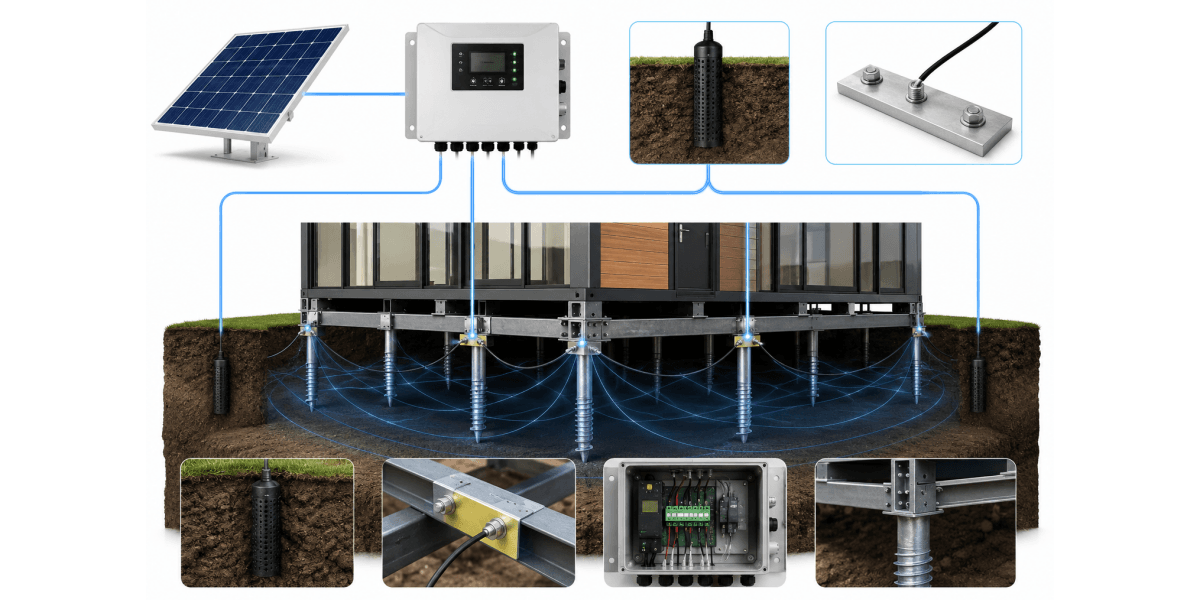
The Electrochemical Corrosion Protection System continuously delivers low-voltage protective current through an intelligent controller, creating a stable electrochemical protection field using buried anodes and anode patches.
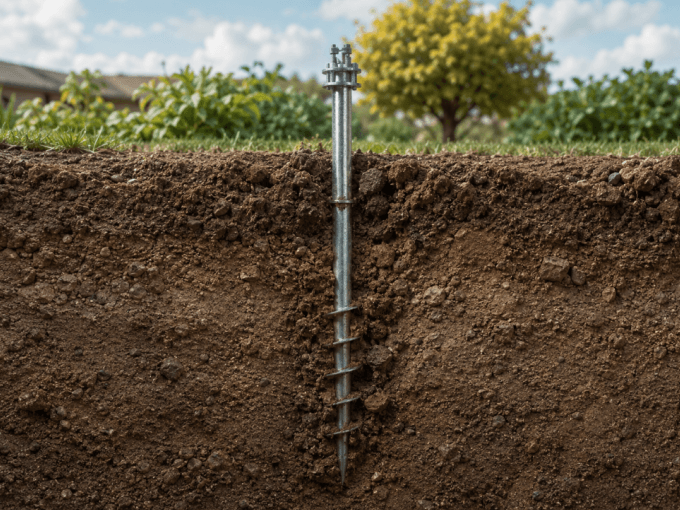
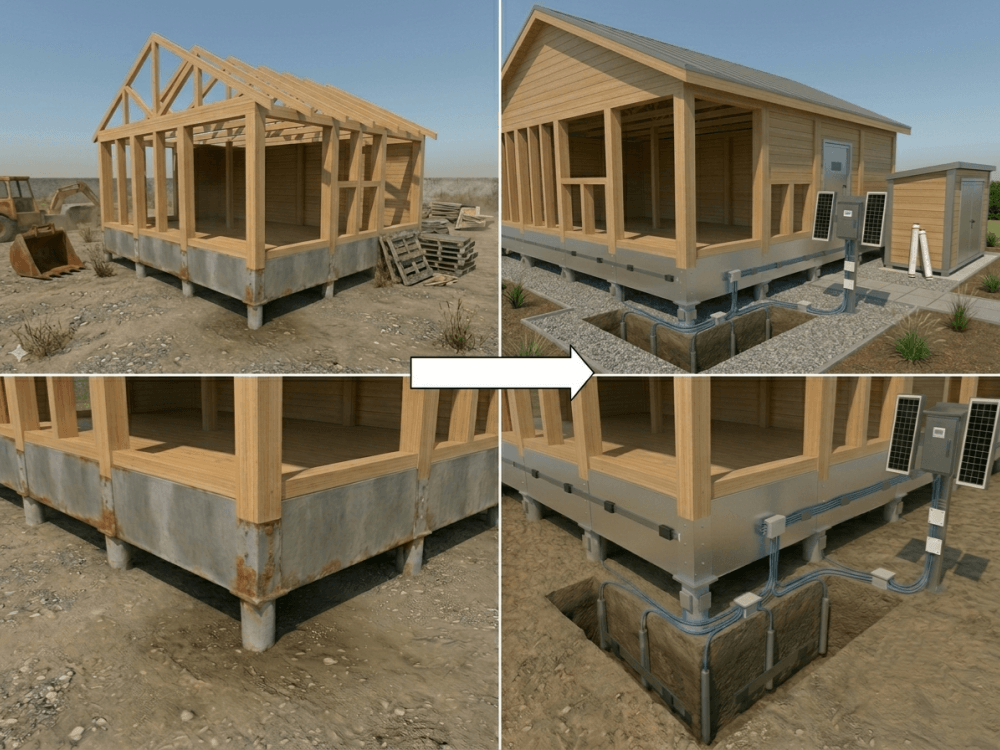
After installation, the buried anodes transfer protective current through the surrounding soil to steel foundations, ground screw systems, and other metal structures. This protective current helps suppress corrosion and extend the service life of the structure.
For exposed metal areas, structural connections, or isolated conductive sections, anode patches can be installed to provide supplementary protection and eliminate potential protection gaps.
1. Active corrosion protection technology;
2. Continuous protective current output;
3. Real-time monitoring of system status;
4. Solar-powered operation available;
5. Eliminates isolated electrode protection gaps;
6. Suitable for underground and humid environments;
7. Reduced maintenance costs;
8. Extended steel structure service life.
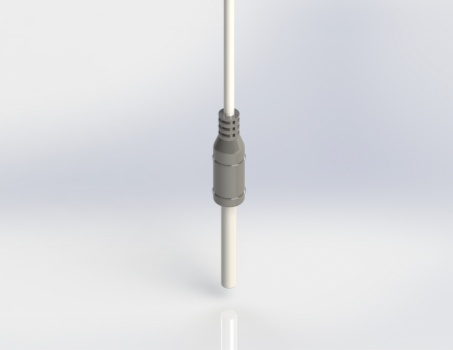
1. Buried Anode
· Installed in the soil to release protective current.
· Provides continuous corrosion protection for underground steel structures and foundations.
· Covers approximately a 2-meter diameter protection area (depending on site conditions).
· Suitable for ground screw foundations, buried steel components, and underground metal systems.
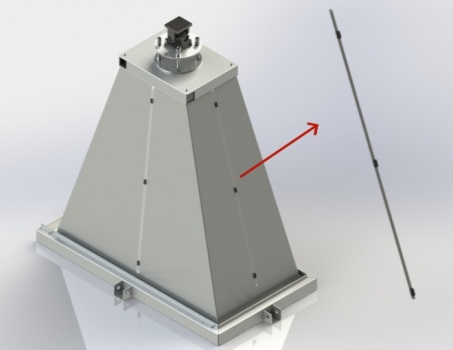
2. Anode Patch
· Installed on metal surfaces or isolated conductive areas.
· Supplements protective current and eliminates corrosion blind spots.
· Reduces localized corrosion at joints and uneven current distribution.
· Stainless steel strip with magnetic mounting for quick installation.
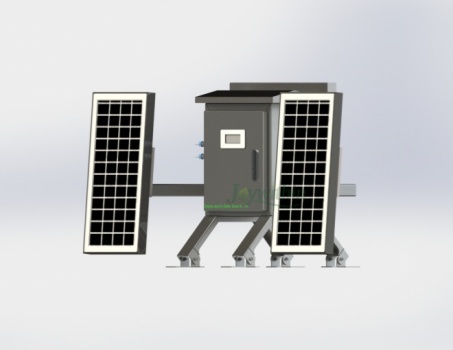
3. Solar 8-Channel Controller
· Core control unit for distributing protective current.
· Supports solar, grid, and battery power supply.
· 8 independent output channels with stable 1.8–2V DC output.
· Features voltage/current monitoring and short-circuit protection.
| Parameter | Value |
| Protection Method | Electrochemical Protection |
| Anode Type | Buried Anode + Anode Patch |
| Controller | 8-Channel Smart Controller |
| Power Supply | Solar / AC / Battery |
| Output Voltage | 1.8–2V |
| Monitoring | Voltage & Current Display |
| Applications | Steel Foundations / Ground Screws |
| Environment | Underground / Coastal / Humid |
Widely used in modular prefabricated housing, light gauge steel villas, container houses, ground screw foundation systems, metal wall panel structures, detached residential garages, outdoor animal shelters, horse stables, livestock shelters, agricultural structures, and underground steel components. Especially suitable for coastal, humid, underground, and corrosion-prone environments, the system provides long-term corrosion protection for steel foundations, anchoring systems, and metal structures, helping extend service life and reduce maintenance costs.



1. How does this system work?
The system works by using an intelligent control unit to output a low-voltage DC current. Through buried anodes and anode patches, it forms an electrochemical protection circuit, keeping steel structures and foundation metals continuously protected and significantly slowing down corrosion.
2. What is the function of the anode patch?
The anode patch is used to supplement localized protection current. It solves the issue of uneven current distribution at metal joints or isolated areas, eliminating protection blind spots and ensuring more uniform corrosion protection across the entire structure.
3. What is the function of the buried anode?
The buried anode releases protective current into the soil, providing long-term and stable corrosion protection for underground steel structures, ground anchors, and buried metal components.
4. Does the system require maintenance?
The system operates stably and mainly relies on the control unit for automatic regulation. Only periodic checks of current output status and connection conditions are required, resulting in low maintenance costs.
5. What types of buildings is it suitable for?
It is suitable for modular houses, light steel structures, ground screw foundation systems, container houses, and various underground metal structure corrosion protection applications.